

Trauma leaves patterns in the mind and body that tend to persist for years. Substance use can step in as a temporary shield against the consequences of trauma; substances dull their intensity, but at the cost of deepening instability. When both PTSD and SUD are present, the effects layer and reinforce one another. Therefore, they often complicate the treatment process, which in such cases requires more than a single approach.
Medication can help restore balance to disrupted systems, while mindfulness and other therapies will strengthen the individual’s awareness and self-regulation. The strongest therapeutic outcomes have emerged when these methods were applied together, once both conditions were addressed simultaneously.
Here’s how combining therapies for PTSD and SUD can have a lasting effect on an individual’s path to full recovery and sobriety.
PTSD and SUD: An Overview
Post-traumatic stress disorder describes a set of symptoms – intrusive memories, hyperarousal, avoidance – that disrupt daily functioning. Substance use disorder involves patterns of consumption – compulsion, loss of regulation, persistence despite consequence – that erode a person’s stability and sense of self.
Each of these conditions carries its own bundle of thorns; together, they can increase the severity of resistance and duration to single-path interventions. Contemporary clinical findings show that individuals experiencing both tend to report higher symptom intensity and greater functional impairment. They’re often entering treatment already carrying a history of fragmented care, where trauma work was attempted without addressing substance use, or detoxification was pursued without recognition of underlying trauma triggers.
Combining Therapies for PTSD and SUD
An integrated model serves to recognize that combining therapies for PTSD and SUD allows coordinated intervention across domains.
Structured Reintegration Phase
During the transition to civilian life, many veterans will face a unique collision of disruptive changes – loss of structured routine, absence of unit cohesion, unfamiliar civilian environments – that destabilize progress in recovery from trauma. The transition from a clearly defined role into a social framework that’s less predictable will often challenge coping mechanisms already under strain. Relapse rates may rise in this stage if treatment plans don’t account for the abrupt change in context.
Programs that integrate medication for symptom regulation with trauma-focused therapies and peer-led groups can offer the necessary feeling of stability during this vulnerable period. Clinicians might schedule therapy sessions more frequently in the first month’s post-transition, coordinate with vocational training providers, and maintain communication across disciplines. This structure will reinforce safety while the individual adapts to their new surroundings.
Pharmacological Triangulation
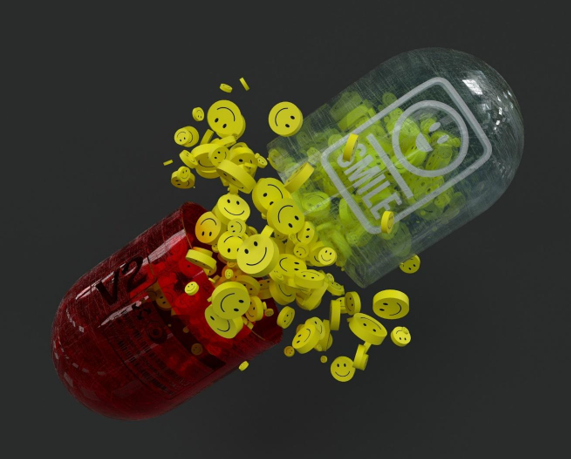
Selective serotonin reuptake inhibitors (SSRIs) may address depressive features and anxiety clusters, while medications such as naltrexone or acamprosate can moderate the neurological reward cycle involved in substance dependence. Prescribing decisions require careful consideration of interactions, given the complexity of comorbidity.
The aim of this approach isn’t sedation or suppression but restoration of a baseline state from which engagement in therapy is possible; in other words: building the foundation. Regular assessment will make sure that medication remains beneficial without promoting dependence or masking underlying issues. Once the neurochemical balance has been restored, individuals will participate more fully in the process of therapy.
Mindful Attention Sequencing
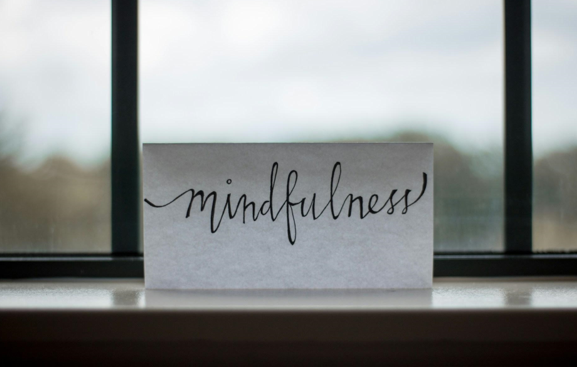
Mindfulness practices operate as a direct countermeasure to the automatic responses that both trauma and substance use are there to entrench. Training attention toward present-moment awareness involves deliberate, repeated exercises: noticing breath rhythm, observing thought without engagement, and labeling sensations without reaction. These skills reduce the power of intrusive memories and help interrupt craving sequences before they escalate.
In comorbid cases of PTSD and SUD, mindfulness can be integrated with exposure therapy so that distressing cues are approached with conscious presence rather than reflexive avoidance or use. Group-based mindfulness programs often encourage participants to share experiences of applying these skills in high-stress situations, which reinforces learning through collective insight. Daily practice – short sessions repeated across the day – has shown greater retention than occasional long sessions. Therapists use brief guided practices at the start and end of sessions to bookend conversations that many find difficult with grounding techniques. Over time, the neural pathways that support reactivity weaken, while those supporting regulation will strengthen through repeated, intentional attention shifts.
Peer-Assisted Structure Alignment
Peer support fosters a safe environment where people’s experiences are recognized and understood and can help further. Individuals who have faced similar combinations of trauma and substance use in their past can offer practical advice to newcomers that resonates more deeply than generic instruction. Structured peer programs typically include regular meetings, activity scheduling, and accountability measures that extend beyond clinical settings. The predictability of meeting times and the expectation of mutual check-ins reinforce daily routines. These will otherwise probably (though not always) erode during periods of stress or relapse risk.
Peers often serve as early warning systems; they’re able to notice subtle changes in mood or behavior that might signal destabilization. Integration with clinical care ensures that such observations are communicated promptly. This interlocking system – peer insight, professional guidance, structured scheduling – anchors recovery in both social connection and clinical oversight. The alignment between these elements is intentional, with clear boundaries and defined responsibilities that preserve safety while fostering trust and mutual support.
A Short Word on an Essential Point
Monthly donations help NAAV, Inc. keep programs for veterans with PTSD and substance use disorder running consistently; each of your contributions is a thread in the broader network of care that supports USA veterans through the hardship(s) of returning to normal life. By becoming a donor, you enable NAAV, Inc. to implement adaptive strategies responding to evolving challenges: treatment research, changing veteran enrollment, and emergent community crises.
It is Indeed Possible to Go from Medication to Mindfulness
Combining therapies for PTSD and SUD is there to integrate pharmacological stabilization, mindfulness practice, structured peer engagement, and ongoing adaptation into a single responsive framework. Each piece of the puzzle works on its own yet will feed into the others and thus form a support network that flexes as needs change.
This model rejects piecemeal fixes in favor of a deliberate weave – we’ve got multiple modalities pulled together into a single, coherent process. As clinical knowledge deepens and service systems sharpen their delivery of integrated care, recovery can take on a form that endures. Not a static state, but one that adjusts to the inevitable detours that follow the first steps toward complete stability.
Key phrase: combining therapies for PTSD and SUD
Meta Description: Explore how combining therapies for PTSD and SUD – medication, mindfulness, peer support – creates a unified, adaptable path to recovery.
Author’s bio: John Freeman is a freelance writer from Atlanta, GA, focused on how often marginalized groups navigate the path back to normal life. He explores social dynamics, resilience, and the systems that shape these personal histories, bringing insight and empathy to every story he tells.
Images:
https://unsplash.com/photos/happy-new-year-greeting-card-EDJKEXFbzHA
https://unsplash.com/photos/a-close-up-of-a-bottle-of-liquid-_Q2z9aUYyig
https://unsplash.com/photos/mindfulness-printed-paper-near-window-DFtjXYd5Pto
References:
https://pmc.ncbi.nlm.nih.gov/articles/PMC10578096/
https://pmc.ncbi.nlm.nih.gov/articles/PMC4928573/