
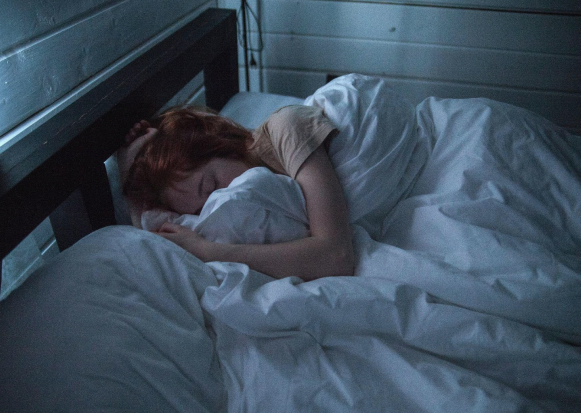
Nighttime stress. Many Americans live through it, each and every evening, long after
the workday has ended. For people recovering from PTSD or substance use
disorder – and especially those managing both – the hours before sleep can feel like
a test. The body wants rest, but the mind refuses to follow. Small sounds grow louder
as each second without sleep passes. Thoughts start to spin faster in endless
ruminations. And yet, those same seconds, minutes, and hours can be redefined.
There are ways to build routines that ease nighttime stress and support a calmer
sense of recovery. These routines won’t erase pain or trauma, but they’ll slow things
down just enough for the nervous system to find its footing again.
The Restless Mind and Its Echoes
Stress before sleep rarely appears from nowhere. Missed meals, unfinished work,
lingering conflict – each of these leaves a residue that accumulates by evening. The
body enters a mild alert state; it becomes unsure when to rest. This tension becomes
sharper for veterans dealing with PTSD, where the mind replays scenes it never
really wanted to record. Add substance withdrawal or cravings, and the hours after
sunset have turned dense with unease. These are conditions that go hand in hand,
as they often feed each other in silence. Over time, this loop will train the brain to
expect danger in rest.
Breaking that pattern starts with noticing how stress shows itself physically. Tight
shoulders. Shallow breaths. An unsteady heartbeat. These are the signals that
represent the body’s way of saying: I need you to slow down a little.

Missed meals, unfinished work, and conflict build up by evening.
Reclaiming the Evening
Now, don’t worry, evening routines that ease nighttime stress don’t have to resemble
wellness campaigns or various spa ads you’ve seen on billboards. They usually
demand something smaller: dimming the lights thirty minutes earlier or choosing
books over screens. The aim is to reset sensory input. Harsh light and noise keep
the body in fight mode. Dim light tells it that the world has slowed down a little. Some
people might find it helpful to repeat a phrase out loud – something as simple as:
day’s over. The brain, no matter how odd it will sound, listens to this kind of
language. It marks an end. Others write down one or two thoughts that won’t stop
repeating. Getting them out of the head and onto paper usually reduces their grip.
Movement can also serve as an effective way to overcome anxiety. A short walk
outside, slow stretches, or breathing in rhythm – four seconds in, six seconds out –
remind the nervous system that control still exists. For those in recovery, such habits
offer structure without pressure, a continuity between therapy sessions and home
life.
When Sleep Becomes a Stranger
For people who’ve lived through trauma, sleep can feel like an ambush. Closing
one’s eyes is a gesture of trust, and trust takes time to rebuild. Insomnia,
nightmares, abrupt awakenings often – these will often accompany recovery and
make the nights long and unpredictable. Chronic sleep loss does more than dull
alertness. According to the American Psychological Association, lack of rest comes
with a wide range of side effects. Beyond feelings of fatigue and listlessness, sleep
deprivation can lead to weight gain, high blood pressure, and even an increased risk
while driving. Research suggests that most Americans could improve their physical
and emotional health by simply extending their rest by an extra hour, sixty to ninety
minutes more each night. This small adjustment would lower stress hormones and
enhance emotional regulation, and both are vital in recovery.
Small Signs of Safety
Yes, safety can be rehearsed. Every repeated cue – a candle lit at the same hour,
music that fades at the same volume – will teach the nervous system to associate
certain patterns with a sense of calm. The brain starts predicting safety instead of
threat.
This conditioning matters deeply for those recovering from substance use or trauma.
Both experiences involve a nervous system that’s learned to anticipate harm or loss.
When the evening has become structured through gentle repetition, the brain will
stop waiting for something bad to happen. Over time, the edges of stress will soften
and make evenings bearable.
The Mechanics of Calm
Calm doesn’t mean silence or emptiness, but predictability. The body thrives on
cycles: light, dark, rest, wake. Lighting plays a quiet role. Bright bulbs trick the body
into staying awake, while warmer light encourages the release of melatonin.
Temperature matters too. A cool room signals rest, while heavy blankets ground the
body. Some people add scent – lavender, cedarwood, or even clean cotton sheets –
to associate smell with comfort.
Screens deserve special mention. The light from them will mess up the body’s
rhythm, but more than that, screens invite emotional noise. Endless scrolling before
bed floods the mind with other people’s energy; it leaves less room for one’s own.
Replacing that ritual with something tactile – a book, a journal – gives the mind a
cleaner exit from the day.

Reading a book before sleep can be very helpful.
How to Help the Veteran Population Struggling With Nighttime Stress
Veterans are facing a particular kind of nighttime stress. Their bodies remember long
after discharge. Many of them live with PTSD, anxiety, or chronic pain that interferes
with rest. The National Association of American Veterans, Inc. (NAAV) is there to
meet those needs directly – it provides housing support, mental health resources,
and recovery programs that stretch well beyond surface care.
Monthly donations to NAAV Inc. help the veteran population by creating reliability
where instability once lived. The real strength of a monthly donation is in
consistency. It mirrors the same principle that recovery depends on – steady support
over time. With ongoing funding, NAAV can maintain counseling services, expand
outreach to homeless veterans, and sponsor wellness programs designed to restore
balance. A single donation helps once; a recurring one helps sustain.
The Still Point Before Sleep
Each night presents a chance to reset the body and mind. The hours before sleep
become a kind of soft rehearsal for the next day. For people recovering from trauma
or substance use, those hours carry weight – but also potential. A well-structured
evening offers a stable frame for recovery. It says: you’re safe enough to stop for
now. Routines that ease nighttime stress are less about eliminating anxiety and more
about creating space for comfort. With consistency, they’ll turn the hardest part of the
day into the gentlest. Healing begins with dim light, a steady breath, and the courage
to rest.
Author’s bio: Kazar Markaryan is the co-founder of Tranquility Recovery Center Inc.
in Los Angeles, California. He writes about trauma recovery, addiction treatment, and
daily practices that promote emotional balance. His work often highlights how
structure, calm, and small routines can support long-term healing and mental
wellness.
Images:
https://www.pexels.com/photo/woman-sleeping-935777/
https://unsplash.com/photos/photo-of-leafless-trees-x7DEzM3Mif4
https://unsplash.com/photos/person-picking-white-and-red-book-on-bookshelf-k2Kcwkandwg